
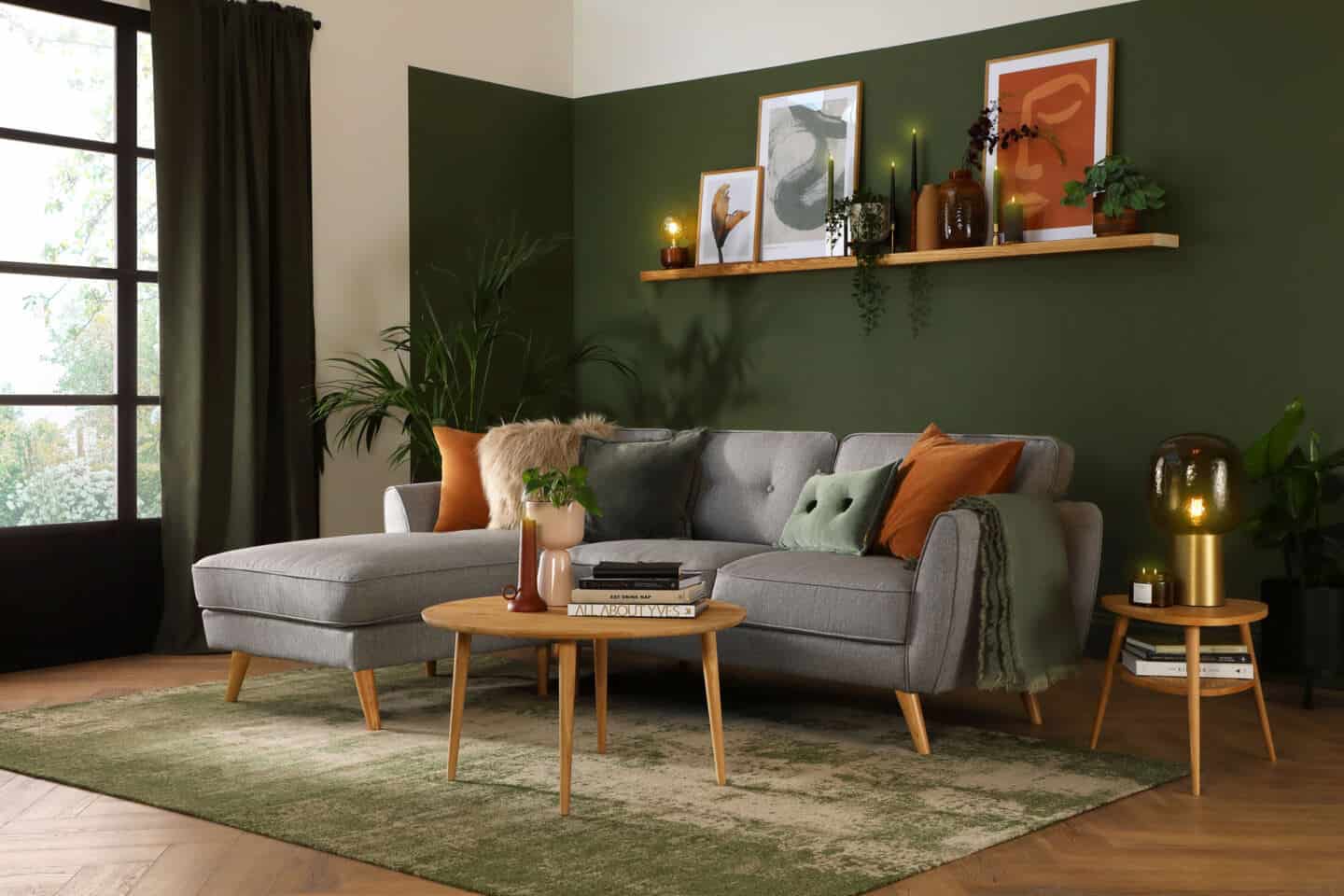
There are few things more exciting than standing in the doorway of a new home with the keys in your hand and a head full of possibilities. I remember how it felt when my husband and I finally bought our first home together. The future suddenly felt wide open, full of opportunity, ideas and all the things we might become. Buying a new home is an exciting milestone. But once the initial excitement settled, a new question quickly appeared: how do you make a house feel like home?
Where should the sofa go? What colour should the walls be? Do we keep the old fireplace? Should we replace the kitchen? Maybe we should start with the bedroom? Should we wait and see how the house feels?
It can be tempting to rush straight into paint charts, Pinterest boards and panic purchases, but learning how to make a house feel like home starts with slowing down and paying attention.The best interiors are not created by copying trends or trying to make every room look like a showroom. They come from paying attention to the building and to the light and really thinking about how you want to live in the space and how it should make you feel. It is often the little details that make a space feel truly yours.
So before you start ordering furniture or stripping wallpaper, take a breath. A beautiful home is not built in a weekend. It is layered, lived in and slowly brought to life.
Start by Listening to the House

Good design starts with understanding the space you already have. Every property has its own personality. Some homes are full of period details, wonky walls, original fireplaces and generous proportions. Others are cleaner, sharper and more contemporary, with open-plan spaces and large expanses of glass. Neither is better. They simply ask for different things.
A modern apartment may suit a pared-back approach, with streamlined furniture, clever storage and a restrained colour palette. A Victorian terrace or country cottage may invite more texture, warmth and character. The trick is not to force a style onto the house, but to work with what is already there.
Look at the bones of the building. Where does the light fall in the morning? Which rooms feel naturally cosy? Where does the layout flow beautifully, and where does it feel awkward? Are there architectural features worth celebrating? Are there areas that need rethinking altogether?
This is also where professional support can be invaluable. If you are planning to extend, reconfigure rooms, improve natural light or make structural changes, an architect can help you see the potential of the space in a way that goes beyond decoration. Sometimes moving a doorway, opening up a wall or changing the flow between rooms can have a far bigger impact than any paint colour ever could.
Don’t Worry About Naming Your Style

If I’m completely honest, I didn’t know what my style was for the longest time. Every interview I ever did on podcasts, panels or in magazines and on blog, I would be asked this question and I wasn’t ever really sure of the answer. I like industrial interiors, Japandi interiors, minimalist interiors, but also certain elements of lots of other styles too. I think that one of the biggest traps people fall into when designing a new home is feeling as though they need to define their style perfectly.
Am I modern farmhouse? Mid-century? Scandi? Traditional? Minimalist? Eclectic? In reality, most people are a mixture. You might love calm, neutral rooms but still be drawn to antique furniture. You might want a contemporary kitchen but prefer soft, layered bedrooms. You might admire minimalist interiors online, but know deep down that you need books, baskets, lamps, cushions and all the little signs of life around you. Rather than trying to label your taste, start noticing what you return to again and again.
Save images that make you feel something. Look at homes, hotels, restaurants, films, magazines and places you have travelled to. Notice the colours, materials and moods that appeal to you. Are you drawn to warm woods, soft linens, dark walls, natural stone, vintage pieces, clean lines, bold pattern or quiet simplicity? Over time, the thread will reveal itself. Whilst I had no idea what my personal style actually was, I spent years curating boards on Pinterest, pinning items here and there and never paying much attention to the whole board. When I finally did look at my Kitchen Pinterest Board, it became blatantly obvious to me that I did indeed have a preferred style. Everything on that board seemed to have a common style and I’d never noticed.
A mood board on Pinterest can really help here, but try not to use it as a shopping list. Use it as a way to understand how to create a house that feels like home and the kind of feeling you want to create. Calm and restorative. Warm and welcoming. Colourful and creative. Elegant and understated. Relaxed and lived in. That feeling will guide better decisions than any trend ever could.
Choose Colours that Connect the Rooms
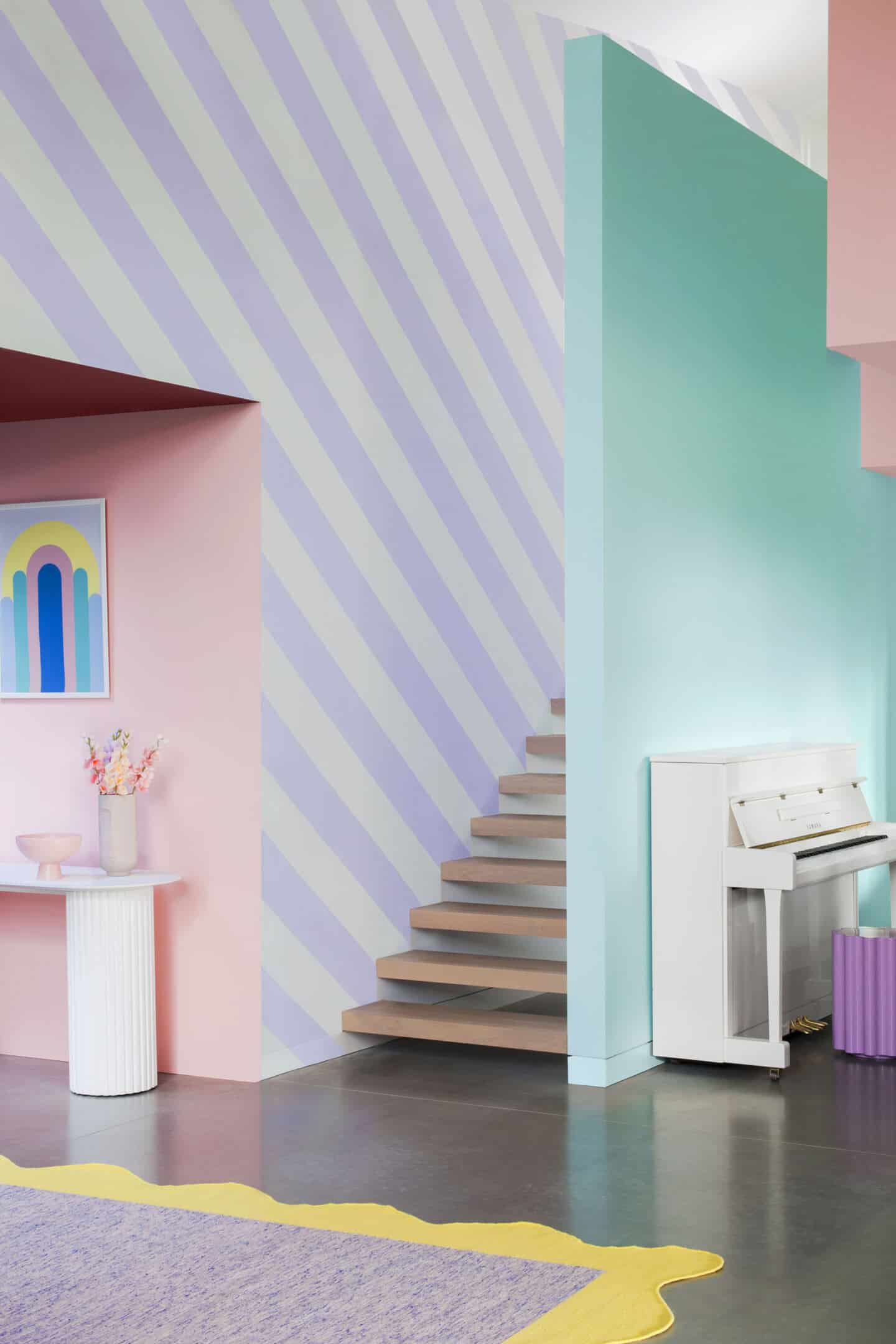
Colour has a huge impact on how a home feels, but it is often where people get stuck. The mistake many of us make is treating each room as a completely separate project. A blue bedroom here, a green sitting room there, a pink downstairs loo, a grey hallway, and suddenly the house can start to feel a little disjointed. That does not mean every room has to match. Far from it. But there does need to be some kind of conversation between the spaces.
A cohesive colour palette helps a home feel calm and considered. You might start with a warm neutral that runs through the hallway and connects spaces, then introduce deeper or richer tones in individual rooms. Or you might choose a handful of colours that work beautifully together and use them in different strengths throughout the house.
It is also worth paying close attention to light. A colour that looks soft and warm in a south-facing room can look flat or chilly in a darker, north-facing space. Always test paint properly and look at it at different times of day before committing. A good idea is to paint large pieces of paper in your chosen colour and stick them on the walls to see what happens when the light changes. Move them around for a least a week before making a decision, if not longer.
And think about how each room needs to feel. Bedrooms often benefit from calmer, more cocooning tones. Kitchens and living spaces can usually take more energy. Hallways, which are often overlooked, can be a wonderful place to set the tone for the rest of the home.
Design for Real Life, Not Imaginary Life

A home has to work for the people who live in it. That sounds obvious, but it is amazing how often we design for the fantasy version of ourselves. The one who never leaves shoes by the door, always folds blankets beautifully, drinks coffee slowly in a spotless kitchen and definitely does not have piles of laundry migrating from room to room.
Real life needs to be factored in. If you have children, pets or a busy household, you will probably need durable flooring, washable paint, good storage and fabrics that can cope with spills, crumbs and muddy paws. If you work from home, you may need a proper workspace rather than a laptop permanently balanced on the dining table. If you love entertaining, the kitchen and dining areas may need to do more of the heavy lifting. If you crave quiet at the end of the day, your bedroom needs to be protected from clutter and chaos.
Good interiors are not just about how a home photographs. They are about how it supports everyday life. The most beautiful room in the world will not feel good if it does not function.
Build the Room in Layers

growingspaces.net
A home that feels warm, personal and interesting is rarely created in one shopping trip. It is built in layers. Start with the key pieces. The sofa. The dining table. The bed. The storage. The pieces that need to work hardest and fit the scale of the room properly.
Then think about lighting, which is one of the most transformative parts of any interior. A single overhead light is rarely enough. Most rooms need a mix of ambient lighting, task lighting and softer accent lighting. Table lamps, wall lights, floor lamps and dimmers can completely change the mood of a space.
After that come the layers that bring softness and soul. Rugs. Curtains. Cushions. Throws. Artwork. Books. Plants. Ceramics. Objects with a story. This is where a house starts to feel like home.
Try not to rush this stage. The best pieces are often collected over time. A vintage mirror found by chance. A print from a favourite artist. A lamp inherited from family. A cushion in a fabric you fell in love with. These details make a room feel personal rather than prescribed.
Create Flow Without Making Everything Match
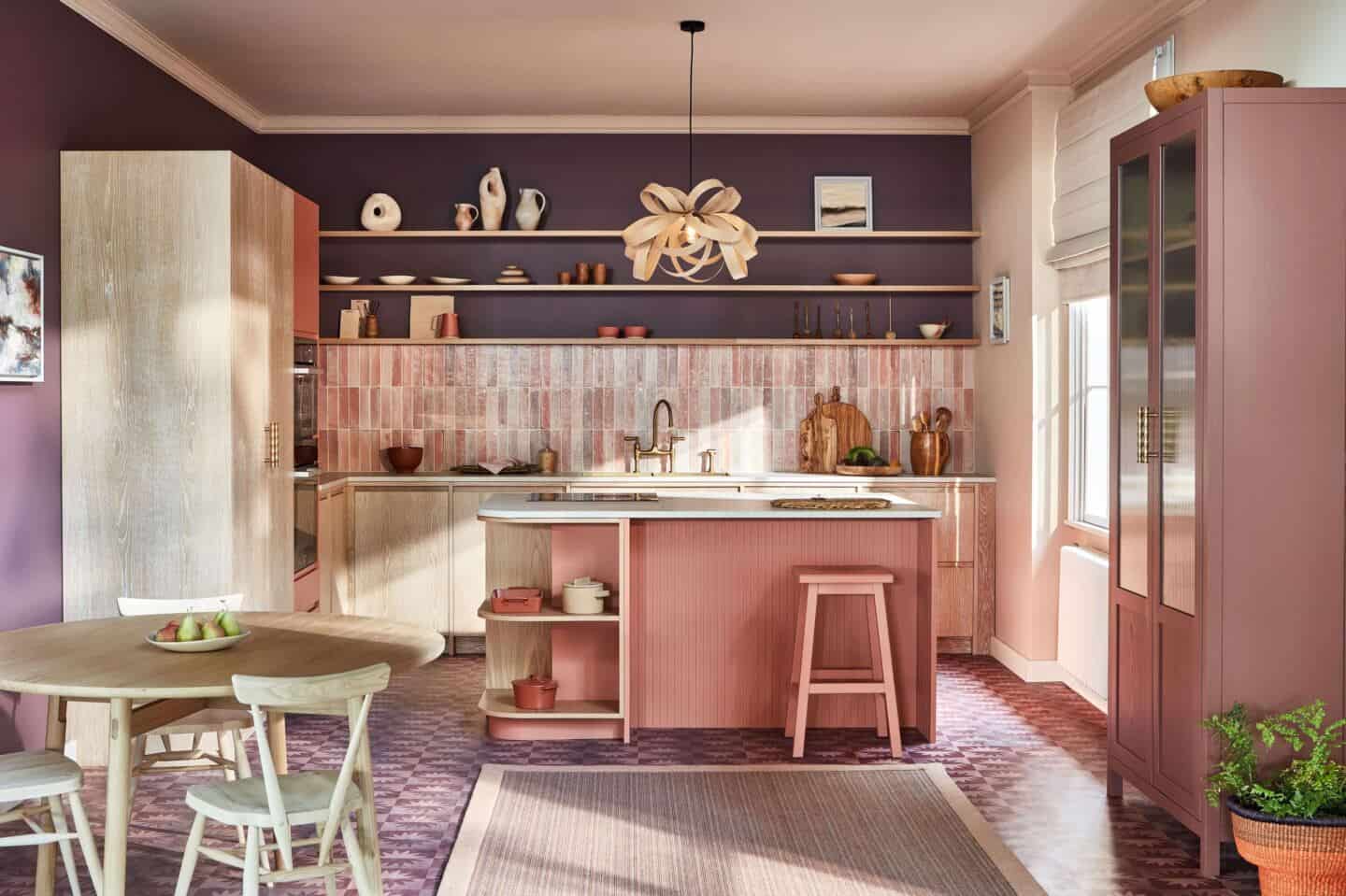
A well-designed home has rhythm. Each room can have its own identity, but there should still be a sense of connection as you move through the house. This might come from repeating certain materials, such as brass, oak, stone or linen. It might come from using similar tones across different rooms. It might be as simple as carrying the same flooring through the ground floor or choosing door handles, light switches and finishes that feel consistent.
The aim is not perfection. Homes are much more interesting when they have a little tension and contrast. Old with new. Smooth with textured. Plain with patterned. Light with dark. But there should be intention behind the choices. When rooms feel connected, the whole house feels calmer and more considered.
Leave Room For Your Story

If you really want to know how to make a house feel like home, this is where the answer lies. Not in a perfectly styled shelf or an immaculate colour scheme, but in the details that tell your story. This is the part that matters most. Your home should not look as though it could belong to anyone. It should hold traces of your life. Photographs. Books you actually read. Art that means something to you. Objects picked up on holidays. Things your children have made. Furniture with history. Pieces that remind you of people, places and moments. These are the things that stop a home from feeling flat.
It is easy to be seduced by perfectly styled interiors online, but the rooms we remember are usually the ones with personality. The ones that tell us something about the people who live there. The ones that feel warm, human and slightly imperfect. Because that is where the magic is.
Learning how to make a house feel like home is not really about choosing the right trend, colour or sofa. It is about creating a space that understands both the building and the people who live inside it. Start with the house. Notice its light, layout and character. Then think carefully about how you want to live, how each room needs to work and what kind of feeling you want to create.
Take your time. Make thoughtful choices. Let the rooms evolve. Because a beautiful home is not just one that looks good. It is one that quietly supports your life, reflects your story and welcomes you back to yourself every time you walk through the door.